The evolution of gambling A historical perspective on games of chance
Ancient Beginnings of Gambling
The history of gambling can be traced back to ancient civilizations, where games of chance were integral to cultural practices. Archaeological evidence suggests that as early as 3000 BC, the Chinese engaged in rudimentary forms of gambling, using tiles to play a game that resembled a lottery. Similarly, the Egyptians used dice made from knuckle bones, indicating that chance-based games were popular even thousands of years ago.
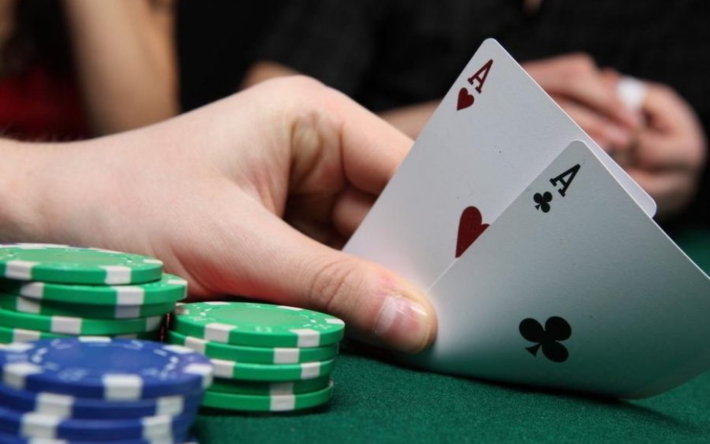

In ancient Rome, gambling was widely accepted and often associated with various social classes. Dice games, betting on gladiatorial contests, and chariot races created an environment where chance played a significant role in societal entertainment. This acceptance laid the groundwork for gambling’s evolution into more structured forms, which would appear in the Middle Ages.
The Middle Ages and Regulation
The Middle Ages saw a shift in how gambling was perceived and regulated. With the rise of the Church, gambling faced scrutiny, as it was often deemed sinful. However, despite these challenges, games like poker and early forms of card games began to emerge and gain popularity. These games were played in taverns and gatherings, becoming a staple of social interaction.
Regulatory frameworks started to take shape in various regions as governments sought to control the growing gambling culture. Laws were introduced in England and France to limit gambling activities, especially in urban areas. Nevertheless, these regulations often failed to curb the enthusiasm of gamblers, showing how deeply entrenched gambling was becoming in society.
Gambling in the Modern Era
The 19th century marked a significant turning point in the evolution of gambling, particularly with the establishment of casinos. The first official casino opened in Venice in 1638, but the true gambling revolution came with the advent of the modern casino in cities like Monte Carlo. This period also saw the popularization of lotteries, which were used to raise funds for public projects, creating a social acceptance of gambling.
The introduction of new technology, including the mechanical slot machine in the late 19th century, transformed the gambling landscape. This invention allowed for easier participation and attracted a broader audience, making gambling accessible to all societal strata. With the expansion of railroads and telecommunications, gambling spread beyond local boundaries, reaching a national audience.
The Digital Transformation of Gambling
The turn of the 21st century brought about a digital revolution that fundamentally changed the gambling industry. Online casinos emerged, providing players with the convenience of gambling from the comfort of their homes. The rise of the internet led to an explosion of gaming platforms, offering diverse options ranging from traditional casino games to innovative virtual experiences. One notable option is the Fortunica online casino, which showcases the evolution in this digital era.
As technology advanced, so did the methods of payment and player security. Cryptocurrencies began to be accepted, appealing to a tech-savvy demographic seeking anonymity and safety. This digital evolution has opened up new avenues for both operators and players, making gambling more inclusive and innovative.


Fortunica Casino and the Future of Gaming
Fortunica Casino represents the forefront of the modern gambling landscape, launched in 2026 to cater to the evolving needs of players. With over 5,000 games, including live dealer options and quick-play formats, it embodies the innovation that defines today’s gaming environment. The platform emphasizes user experience, offering seamless mobile access and a generous welcome bonus to attract new players.
Fortunica Casino prioritizes safety and convenience, boasting 24/7 customer support and secure payment methods, including cryptocurrency options. As a part of the vibrant gaming community, it not only reflects the rich history of gambling but also embraces the future, inviting players to experience exciting rewards in a secure atmosphere.